Exploring Acting Schools in New York: Group Classes vs. Private Coaching for Aspiring Actors

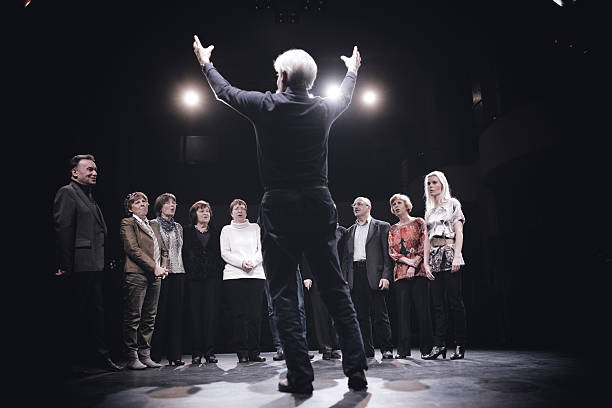
It is my party! stock photo

Actors often face a pivotal decision when honing their craft: Should they enroll in group acting classes or opt for private coaching? Both methods offer unique advantages, catering to specific needs and goals. Understanding the key differences can help actors make informed decisions about their training.

Advantages of Group Acting Classes

  • Working alongside fellow actors allows you to observe diverse interpretations of scenes, techniques, and emotions.
  • Constructive feedback from peers offers valuable perspectives that may not always emerge in one-on-one settings.
  • Group classes are excellent spaces to meet like-minded individuals who share your passion for acting.
  • Building connections with classmates can lead to collaborations outside class or introductions to industry professionals.
  • Typically, group classes are more affordable than private coaching, allowing aspiring actors on a budget to access quality training.
  • Acting is often a collaborative effort. Learning to work in ensembles prepares you for real-world performance scenarios like stage productions or ensemble cast films.

Advantages of Private Coaching

  • With one-on-one guidance, coaches can focus solely on your development and provide customized exercises that target your specific needs.
  • Private sessions allow you to work around your own schedule rather than adhering to fixed class timings.
  • If you’re preparing for a particular role or audition, private coaching can help refine the exact skills required for that performance.

A Comparative Table: Group Acting Classes vs. Private Coaching

Feature Group Acting Classes Private Coaching
Cost Generally more affordable Higher cost due to individualized attention
Feedback Style Peer and instructor feedback Exclusive instructor feedback
Networking Opportunities High Limited
Schedule Flexibility Fixed schedules Flexible scheduling options
Focus Broad skill development Tailored skill enhancement

Choosing the Right Option

  1. If you’re just starting out or wish to develop foundational skills in an environment rich with peer interaction, group acting classes might be right for you.
  2. If you’re working toward a specific goal (e.g., preparing for an audition) or require targeted assistance with certain aspects of your craft, private coaching could better suit your needs.
  3. A blended approach—participating in group sessions while occasionally investing in private lessons—can also provide balance between collaboration and individualized growth opportunities.

Understanding these distinctions enables actors at any stage of their career—be it beginner or professional—to shape their educational path effectively.

The Benefits of Group Acting Classes at an Acting School NYC

For aspiring actors, the choice between group acting classes and other forms of training, such as private coaching or online programs, can often be a challenging one. However, group acting classes offer distinctive benefits that make them an excellent foundation for building acting skills.

Benefits of Group Dynamics in Learning

  • Learning from Peers: Observing your classmates’ performances allows you to pick up new techniques and understand varied approaches to the same material.
  • Immediate Feedback: Instructors can address multiple participants at once, offering constructive feedback that benefits everyone.
  • Diverse Perspectives: Working with individuals from different backgrounds introduces fresh ideas and unique interpretations.

Developing Interpersonal Skills

  • Teamwork: Acting with others requires trust, timing, and a shared sense of purpose.
  • Adaptability: Scenes often change direction based on other actors’ choices, teaching you how to respond authentically in the moment.
  • Communication: Collaborative exercises help improve verbal and non-verbal communication—skills critical for both stage and screen.

Cost Efficiency Compared to Private Coaching

Private coaching can be expensive and often limits your exposure to only one instructor’s perspective. Group classes are typically more affordable while still providing substantial training opportunities.

Training Type Average Cost (per hour) Exposure to Other Actors? Personalized Feedback?
Group Classes $20–$50 Yes Yes
Private Coaching $75–$200 No Yes

In addition to cost savings, group classes provide a supportive network that can lead to collaboration opportunities outside of class.

Building Confidence Through Practice

  • Actors practice performing in front of others regularly, which helps reduce stage fright over time.
  • Constructive criticism is normalized, making it easier to separate personal feelings from professional growth.

By continuously working on scenes and monologues with classmates observing, actors learn how to handle pressure while staying vulnerable and present in their performances.

Exposure to Different Teaching Styles

Many group acting programs incorporate multiple instructors or guest teachers over time. This variety exposes students not only to different teaching styles but also diverse methodologies—such as Stanislavski’s system, Meisner technique, or improvisational approaches. These experiences allow actors to discover what works best for their craft.

Group acting classes serve as an invaluable space for fostering collaboration, creativity, and confidence—all essential components for any actor’s toolkit. By immersing yourself in this environment, you create a strong foundation for long-term success while building relationships within the industry that can support your journey forward.

Top Reasons to Choose Group Classes at an Acting School New York for Building Acting Skills

Group acting classes provide a dynamic and collaborative environment that fosters growth, creativity, and connection among actors. Whether you are just beginning your acting journey or looking to refine your craft, group classes offer unique advantages that private coaching or solo practice cannot replicate. Below, we explore why group acting classes should be a cornerstone of your training as an actor.

Collaborative Learning Environment

  • Exposure to Diverse Styles: Working with actors who have unique approaches can expand your understanding of different acting techniques and styles.
  • Constructive Feedback: Peers often provide a range of feedback that complements instructor input, broadening your perspective on how to improve.
  • Real-Time Interaction: Acting is inherently relational; practicing with others helps build the spontaneity and adaptability needed for authentic performances.

Opportunities for Networking

  • You connect with aspiring actors who may become co-stars or collaborators in future projects.
  • Instructors often have industry connections and can recommend students for roles or auditions.
  • Workshops within group settings frequently attract guest speakers, casting directors, or seasoned professionals.

Networking within these settings not only boosts career prospects but also fosters long-term professional relationships.

Cost Effectiveness

Feature Private Coaching Group Acting Classes
Cost per Session High Moderate
Instructor Access One-on-One Shared Among Participants
Peer Interaction Limited Abundant

This affordability allows students to attend more sessions over time, providing consistent practice and development.

Learning Performance Dynamics

  1. Listening Skills: Responding authentically to other actors improves scene work.
  2. Timing: Understanding when and how to deliver lines effectively in relation to co-stars.
  3. Chemistry: Building rapport with others strengthens collaborative storytelling.

These skills are critical for auditions, stage performances, and on-screen roles alike.

Exposure to Improvisation

  • Quick thinking under pressure.
  • Emotional availability through spontaneous reactions.
  • Confidence in unpredictable situations such as live performance or unscripted scenes.

Developing Empathy Through Observation

  • You observe how others embody emotions or characters differently than you might.
  • Analyzing classmates’ choices helps you refine your own approach by identifying strengths worth emulating or mistakes to avoid.

This observational learning enhances both technical skills (e.g., physicality) and emotional depth in performance.

By joining group acting classes as part of your primary training strategy, you gain access to collaboration, cost-efficiency, networking opportunities, ensemble dynamics practice, improvisational skill-building activities—and more. While private coaching has its place for individualized attention, the collective energy found in these settings is unparalleled when it comes to cultivating an actor’s toolkit holistically.

Group having fun on stage stock photo

NYC Acting Classes: Essential Techniques and Exercises for On-Screen Roles

Acting for the camera differs significantly from acting on stage. While theatrical performances require larger-than-life expressions and movements to engage a live audience, on-screen acting demands subtlety, precision, and a strong connection with the camera. Practicing specific techniques can help actors refine their on-screen skills and deliver compelling performances. Below are essential exercises that every aspiring screen actor should incorporate into their routine.

1. Mastering Subtle Facial Expressions

In film and television, the camera captures every minor facial movement. Practicing microexpressions helps actors convey emotions without overacting.

Exercise:
– Select an emotion (e.g., joy, sadness, anger).
– Stand in front of a mirror or record yourself with a camera.
– Limit your reactions to subtle changes in your eyes, eyebrows, or lips.
– Review the footage to observe how small details translate on screen.

2. Understanding Eye Line Techniques

Where an actor looks during a scene is critical in creating realistic and engaging performances. Misplaced eye lines can distract viewers or break immersion.

Exercise:
– Tape three small dots at varying heights on a wall (to mimic different eyeline levels).
– Practice delivering lines while maintaining focus on each dot as if speaking to another character or interacting with an object off-camera.
– Alternate between close-ups and wide-angle perspectives to understand how eye lines shift based on framing.

3. Breathing Control for Emotional Scenes

Controlled breathing is vital when portraying intense emotions like fear or grief, as over-exaggeration can feel unnatural on screen.

Exercise:
– Sit quietly and practice diaphragmatic breathing (deep breaths originating from the diaphragm).
– Gradually increase your heart rate by imagining high-stakes scenarios while maintaining natural breath patterns. – Combine this with line delivery to simulate being overwhelmed, scared, or calm under pressure.

4. Hitting Marks Without Breaking Character

On-set blocking often requires actors to hit precise “marks” so they stay within frame while performing naturally.

Exercise:
– Place small markers (e.g., tape pieces) across a room simulating marks used on set. – Rehearse walking between marks while delivering dialogue naturally. – Incorporate slight turns toward an imaginary camera lens without breaking emotional continuity.

5. Practicing Reaction Shots

Reaction shots are as important as delivering lines since they convey emotional responses that deepen scenes’ impact.

Exercise:
1. Find a scene partner or use pre-recorded dialogues from movies/shows. 2. Record yourself reacting silently to scripted moments of surprise, sadness, anger, etc. 3. Observe playback footage focusing solely upon timing & authenticity reactions brought along nuances into gestures

| **Aspect Focused Upon Above Table Summary! | Why it Matters ! | Examples Focus Specific etc

Discover the Benefits of Acting Classes NYC for Mastering On-Screen Techniques

When aspiring actors begin their journey toward mastering on-screen performances, a common question arises: is learning theatre techniques necessary to thrive in film and television acting? While theatre and screen acting may appear distinct due to the differences in medium, learning theatre techniques can offer several valuable benefits that directly enhance an actor’s on-screen abilities.

Key Differences Between Theatre and On-Screen Acting Taught at New York Acting Schools

Aspect Theatre Acting On-Screen Acting
Audience Live audience; immediate feedback Camera lens; delayed viewer reaction
Performance Scale Exaggerated gestures for visibility Subtle expressions for close-ups
Voice Projection Requires strong projection Relies on microphones
Rehearsal Process Structured, with multiple run-throughs Often fragmented and shot out of order

While these differences highlight the unique challenges of each medium, many skills from theatre acting directly translate into stronger on-screen performances.

Benefits of Learning Theatre Techniques for On-Screen Acting

  1. Theatre training places significant emphasis on understanding a character’s emotional motivations. These skills can help screen actors convey genuine emotions in close-up shots, where subtlety is pivotal.
  2. Theatre techniques teach actors how to utilize their voices effectively. Even though microphones pick up soft sounds on camera, having control over pitch, tone, and delivery ensures dialogue feels authentic.
  3. Movement plays a crucial role in both mediums. Theatre training helps actors develop physical awareness, making their movements deliberate and natural—even within the confined frame of a camera shot.
  4. Many theatrical exercises involve improvisation and thinking quickly under pressure. This skill can be invaluable during unscripted moments or when a director encourages spontaneity during filming.
  5. Rehearsing for stage performances demands discipline and consistent effort over time. These habits carry over to set environments where maintaining focus is essential despite long shooting hours.

Techniques From Theatre That Benefit Screen Performances

  • Voice Warm-Ups: Exercises like humming or diaphragm breathing help eliminate vocal strain while delivering lines naturally.
  • Character Backstory Creation: Building extensive histories for your characters (as often emphasized in plays) adds depth to your screen portrayal.
  • Eye Contact Practice: In theatre, maintaining eye contact with scene partners builds connection—a skill particularly useful during dramatic close-ups.
  • Blocking Awareness: Understanding spatial relationships taught in stage blocking ensures fluidity when working with cameras or multiple takes.

Balancing Both Approaches

While it isn’t mandatory to master theatre before pursuing an on-screen career, incorporating elements of theatrical training into your development as an actor broadens your skillset significantly. Investing time in these techniques can lead to more nuanced performances that stand out both on stage and screen.


Tags:

Finding the Best Acting Schools in New York for Beginners

Teacher With Male And Female Drama Students At Performing Arts School In Studio Improvisation Class stock photo

Identify Your Goals and Interests

  • Do I want to pursue acting as a career or as a hobby?
  • Am I interested in film, theater, or television acting?
  • Do I need a general overview of acting or specialized skills like improv or voice work?

Clarifying your goals will help narrow your choices and ensure the class aligns with your objectives.

Research Different Types of Acting Classes

  1. Scene Study Classes: Focus on breaking down scripts and developing characters.
  2. Improv Classes: Great for building spontaneity, creativity, and quick thinking.
  3. On-Camera Acting Classes: Ideal for those pursuing film and television work.
  4. Voice and Diction Training: Designed to refine vocal delivery for clear communication.
  5. Audition Preparation: Helps actors perfect the skills needed for successful auditions.

Understanding these categories will help you assess which area matches your interests.

Consider Class Size

  • More personalized feedback from instructors.
  • Greater opportunities to practice in front of peers.
  • A more intimate learning environment that encourages participation.

Larger classes may offer less individual attention but can provide networking opportunities with other aspiring actors.

Evaluate Location and Schedule Flexibility

Factor Questions To Ask
Location Is the studio accessible from my home? Is parking available?
Schedule Does the class fit into my weekly routine? Are there weekend or evening options?
Duration How long is each session, and how many weeks is the course?

Ensuring convenience will make it easier for you to stay committed.

Trial Classes or Observation Opportunities

Many reputable acting schools allow prospective students to attend trial lessons before enrolling fully. Take advantage of this if possible by observing how instructors teach, how students interact, and whether the environment feels supportive.

During observations: – Note if students seem engaged and motivated. – See if instructors provide constructive feedback tailored to individuals. – Assess whether the class dynamic feels inclusive.

Trust Your Instincts

Lastly, trust how you feel about a particular class or instructor after doing your research. It’s important that you feel comfortable in the learning space so that you can take creative risks without fear of judgment.

By carefully weighing these factors—your goals, types of classes available, practical considerations like location, and trial experiences—you’ll be well-equipped to select an acting class that sets you up for success in this exciting field.

Top Tips for Choosing the Best Acting Classes NYC Has to Offer

Choosing the right acting class as a beginner can be an overwhelming process. With numerous options available, it’s essential to know what factors to prioritize so you can make an informed decision that sets the foundation for your acting journey. Below are key considerations to keep in mind when selecting an acting class.

Define Your Goals at Acting School NYC

Before choosing an acting class, it’s important to establish what you hope to achieve:
Skill Building: Are you looking to develop basic skills like voice modulation, body language, or improvisation?
Career Preparation: Do you want to pursue acting professionally and need specialized training?
Confidence Boosting: Are personal development and building confidence your primary focus?

Understanding your goals will help narrow down the courses that align with your aspirations.

Class Format and Structure at Acting School New York

Acting classes often differ in format and teaching approach. Here are some common types:
Workshops: Short-term sessions focused on specific aspects of acting, such as monologues or auditions.
Weekly Classes: Structured classes held over weeks or months for gradual skill development.
One-on-One Coaching: Individualized instruction tailored to personal strengths and weaknesses.

Assess which format aligns best with your schedule and learning preferences.

Why Class Size Matters in NYC Acting Classes

The size of the class can significantly impact the learning experience:
| Class Size | Advantages | Disadvantages | |————|—————————————-|—————————————-| | Small | Personalized attention, more practice time | Limited networking opportunities | | Large | Diverse perspectives, networking opportunities | Less individual feedback |

Smaller classes are ideal for beginners as they ensure you receive more direct coaching from instructors.

Discover Methodologies Taught at New York Acting Schools

Different acting schools use various techniques and philosophies. Some widely recognized methods include:
Stanislavski Method: Focuses on emotional memory and realism in performance. – Meisner Technique: Emphasizes spontaneity and reacting truthfully in the moment. – Chekhov Technique: Incorporates physicality and imagination into character building.

Research which methodology resonates with your interests before enrolling in a class.

1. Reputation of the Acting School

A reputable institution often ensures high-quality instruction. To gauge credibility:
1. Read online reviews or testimonials from former students. 2. Request references or success stories. 3. Check affiliations with established industry organizations or professionals.

2. Location & Accessibility

Consider logistics when selecting a class: – Is the location convenient for regular attendance? – Does it offer flexible schedules for working individuals?

Online classes may also be worth exploring if location is a challenge.

3: Budget Constraints

Acting classes vary widely in cost based on factors like reputation, duration, and instructor experience: | Course Type | Estimated Cost | |————————|————————————| | Introductory Workshop | $50-$150 per session | | Weekly Classes | $300-$600 per month | | Private Coaching | $75-$200 per hour |

Choose an option that fits within your budget without compromising quality.

Final Thoughts

Selecting an acting class is about finding one that matches your goals, learning style, and logistical needs while providing high-quality instruction from experienced professionals. Evaluating these essential considerations will help you embark on a fulfilling journey into the world of acting with confidence.

Actors rehearsing in a theater stock photo

Understanding Your Personal Goals and Objectives in Acting

Embarking on an acting journey requires more than just passion; it demands a clear understanding of your personal goals and objectives. Defining these goals from the outset can help you navigate the vast world of acting, prioritize your learning, and find fulfillment in your craft. Below, we explore how to identify and align your aspirations with your acting training.

Why Define Your Goals?

  • Provides Direction: Knowing what you want helps you focus on the right skills and opportunities.
  • Inspires Commitment: Clear objectives keep you motivated, even during challenging phases.
  • Enhances Decision-Making: When faced with choices like auditions or training programs, defined goals provide clarity.
  • Tracks Progress: Having measurable objectives allows you to assess growth over time.

Identifying Your Acting Objectives

  1. Stage performances
  2. Film and television roles
  3. Voiceover work (animation, commercials)
  4. Improvisational comedy or sketch work
  5. Becoming a professional actor
  6. Gaining confidence through acting as a hobby
  7. Exploring creativity or storytelling
  8. Vocal projection or diction
  9. Emotional range and physical expressiveness
  10. Script analysis and memorization techniques
  11. Full-time training vs. part-time classes
  12. Balancing acting with other commitments (e.g., work or school)

Short-Term vs Long-Term Goals

Understanding how to break down your aspirations into manageable short-term and long-term goals is essential for sustained progress.

Goal Type Example Time Frame
Short-Term Goals Take a beginner’s improv class 1-3 months
Build confidence speaking in front of others 3 months
Long-Term Goals Audition for paid film/television roles 1-2 years
Join a reputable theater company 2+ years

Setting both types of goals ensures that you achieve smaller wins while working toward larger ambitions.

Aligning Classes with Your Objectives

  • If you’re focused on stage performance, look for classes offering Shakespearean techniques or live performance fundamentals.
  • For those drawn to film/television, opt for programs emphasizing on-camera work.
  • If you’re exploring as a hobbyist, join casual workshops that focus on fun yet educational experiences.

Consult course syllabi or speak directly with instructors before enrolling to ensure their curriculum aligns with what you’re looking for.

Defining your personal objectives empowers you to approach acting with purpose, focus, and determination. By identifying what drives you, setting realistic milestones, and enrolling in classes that align with these aspirations, you’ll be better equipped to grow both as an artist and an individual.

In-Depth Research on Popular and Effective Acting Techniques

When delving into the world of acting, understanding popular and effective techniques is crucial for developing your craft. Each approach offers unique tools that help actors embody their characters, convey emotions convincingly, and connect with their audience. Below is an overview of some renowned techniques, along with tips for researching them further.

Popular Acting Techniques to Explore

  1. Focuses on emotional truth and realism in performance.
  2. Encourages actors to draw from personal experiences to create authentic emotions on stage or screen.
  3. Key concepts include objectives, given circumstances, and “the magic if” (asking “What if I were in this situation?”).
  4. Emphasizes truthful reactions and living “in the moment.”
  5. Utilizes repetition exercises to heighten awareness of partners’ behavior and dialogue.
  6. Ideal for actors seeking spontaneity in their performances.
  7. Developed from Stanislavski’s principles but takes a deeper dive into emotional recall.
  8. Requires actors to immerse themselves fully into a character’s life by adopting their habits, voice, or even environment off-stage or off-camera.
  9. Focuses on physical gestures as a pathway to understanding a character’s psychology.
  10. Uses the concept of the “psychological gesture,” a movement expressing the essence of the character’s inner desires.
  11. Practical Aesthetics (introduced by David Mamet and William H. Macy)
  12. A straightforward approach breaking down scenes via four steps: literal action, desired outcome, essential actions within the scene, and focus on what’s happening now.
  13. Concentrates on substitution exercises where an actor replaces a fictional situation with real-life experiences to evoke genuine responses.

Why Researching Techniques Matters

Understanding these approaches helps actors choose methods that align with their personal style or goals. No single technique fits everyone; therefore, experimentation is key during training.

How to Conduct In-Depth Research

  • Read Foundational Texts: Many acting methods have corresponding books written by their creators or advocates:
    | Technique | Foundational Book(s) | Author(s) |
    |——————-|————————————————–|———————–|
    | Stanislavski | An Actor Prepares | Konstantin Stanislavski |
    | Meisner | Sanford Meisner On Acting | Sanford Meisner |
    | Method Acting | Respect for Acting | Uta Hagen | | Chekhov | To The Actor: On The Technique Of Acting | Michael Chekhov |
  • Attend Workshops: Many acting schools offer introductory workshops focusing on specific techniques like Meisner or Chekhov.
  • Watch Performances: Observe established actors known for utilizing particular styles (e.g., Marlon Brando’s Method Acting in A Streetcar Named Desire). Analyzing performances can provide insights into how these methods come alive in practice.
  • Engage Online Resources: Utilize platforms offering video demonstrations and interviews with experienced instructors explaining key concepts of each technique.

Tips for Choosing Techniques That Fit You

  • Assess your personality: Do you prefer meticulous preparation (as with Stanislavski) or instinctive improvisation (as seen in Meisner)?
  • Identify your goals: Are you drawn toward naturalistic roles requiring deep emotional immersion? Or do you lean toward projects emphasizing physicality?
  • Experiment with hybrid approaches: Many successful actors merge elements from multiple techniques depending upon project demands.

By thoroughly researching these prominent acting methods and exploring which align best with your aspirations as an artist, you’ll lay a strong foundation for your craft development while discovering tools tailored uniquely to you.

It' s Partytime stock photo

The Importance of a Well-Structured Syllabus in Acting Classes

A well-structured syllabus is the backbone of any effective acting class. It provides a clear roadmap for students, ensuring they build skills progressively while maintaining a solid foundation. Without a structured syllabus, students risk facing an unorganized learning process that can hinder their growth. Below, we will explore why this element is indispensable for both aspiring and experienced actors.

Benefits of a Well-Structured Syllabus

  1. A syllabus outlines specific goals for each class or module.
  2. Students can track their progress and understand what skills they are expected to acquire.
  3. It ensures alignment between the instructor’s teaching plan and the student’s expectations.
  4. Acting requires mastering foundational techniques before moving to advanced topics.
  5. A structured syllabus builds upon previous lessons systematically.
  6. For example, beginners might start with basic exercises like relaxation techniques before advancing to scene work or emotional recall.
  7. Classes guided by a pre-designed framework prevent unnecessary repetition.
  8. Both the instructor and students make better use of their time when each session has clear objectives.
  9. A syllabus guarantees continuity if classes are spread over weeks or months.
  10. Students benefit from knowing what to expect in terms of content, making it easier to prepare mentally and practically.

Key Components of an Effective Acting Class Syllabus

Component Purpose
Introduction Provides an overview of the course content and objectives
Weekly Topics/Modules Breaks down lessons into manageable topics such as voice training, improvisation, or monologue preparation
Techniques Covered Includes methodologies like Stanislavski’s System, Meisner Technique, or Method Acting
Practice Opportunities Allocates time for scene practice, role-playing exercises, or group collaborations
Feedback Mechanism Details how feedback will be provided (e.g., peer discussions or instructor evaluations)
Assignments/Projects Lists tasks that reinforce concepts taught in class (e.g., preparing a monologue from a classical play)

Examples of Structured Lesson Progression

  1. Week 1: Introduction to Relaxation Techniques & Breathing Exercises
  2. Week 2: Voice Modulation & Diction Practice
  3. Week 3: Exploring Emotional Memory Techniques
  4. Week 4: Character Development through Script Analysis
  5. Week 5: Scene Rehearsal & Peer Feedback
  6. Week 6: Final Performance & Detailed Evaluation

This approach allows students to absorb foundational concepts first before applying them creatively in performances.

Why Instructors Should Prioritize Structure

For instructors, having a detailed syllabus streamlines preparation while enabling them to focus on delivering high-quality instruction rather than improvising lesson plans on the spot. Furthermore: – It fosters trust with students by demonstrating professionalism. – Instructors can ensure all essential aspects of acting are covered during the course duration.

A thoughtfully created syllabus not only enhances learning outcomes but also supports long-term skill development essential for success in acting.

Educational Background and Training

  • Formal Education: Did they attend a university or conservatory with an emphasis on theater, drama, or performing arts?
  • Workshops and Certifications: Have they completed specialized acting workshops or certifications such as Meisner, Stanislavski Method, or Alexander Technique?
Credential Type Importance Level Examples
Formal Degree High BFA in Theater, MFA in Acting
Specialized Training Medium to High Certified in Meisner Technique
Practical Experience High Professional stage or screen work

Professional Experience

  • Stage and Screen Work: Have they performed in notable theater productions, films, or television shows? A background as a working actor suggests practical knowledge.
  • Directing/Producing Experience: Some instructors have also directed plays or produced films, which may offer additional perspectives on performance techniques.
  • Industry Connections: Is there evidence of them having relationships with casting directors, talent agents, or producers? Such connections can sometimes aid aspiring actors.

Teaching Experience

Teaching is more than just sharing knowledge; it involves effective communication, adaptability to varied learning styles, and fostering growth in students.

  • Years of Teaching: How long have they been teaching acting? Longevity often indicates successful methods.
  • Range of Students Taught: Do they primarily teach beginners or also work with intermediate and advanced actors?
  • Alumni Success Stories: Successful former students serve as testimonials to their teaching quality.

Reviews and Recommendations

Listening to current or former students’ experiences can provide invaluable insights into an instructor’s effectiveness.

  • Browse online reviews on platforms like Google Reviews, Yelp, or specialized forums for actors.
  • Ask around within your local acting community for word-of-mouth recommendations.

Sample Class Observation

  1. Clarity in explaining concepts.
  2. Constructive feedback provided during exercises.
  3. The overall atmosphere—supportive versus overly critical.

Red Flags to Watch Out For

  • Lack of verifiable credentials (training claims without proof).
  • A focus solely on theoretical knowledge without practical exercises.
  • Overpromising unrealistic outcomes such as guaranteed fame.

Evaluating credentials thoroughly ensures that you will learn under someone who not only possesses expertise but also knows how to nurture your potential effectively.


Tags:

Exploring the Best Acting Classes NYC Has to Offer for Aspiring Actors

Actors rehearsing a scene in a theater stock photo

1. Scene Study Classes

Scene study is foundational for actors aiming to improve their ability to analyze and perform scenes from plays, scripts, or screenplays.
Focus Areas: Emotional connection, character development, script analysis
Ideal For: Actors with basic skills looking to deepen their craft

Key benefits:
– Build confidence in delivering nuanced performances
– Receive feedback on your interpretation and choices

2. Improvisation (Improv) Classes

Improvisation classes focus on teaching spontaneity, creativity, and adaptability in performance.
Focus Areas: Thinking on your feet, active listening, working collaboratively with other actors
Ideal For: Actors interested in comedy, unscripted roles, or enhancing their quick-thinking abilities

Benefits:
– Sharpen timing and audience engagement skills
– Reduce fear of making mistakes while performing

3. Cold Reading Classes

Cold reading classes teach actors how to perform from a script they’ve never seen before—a crucial skill for auditions.
Focus Areas: Speed in understanding the material, quick emotional adjustments
Ideal For: Actors preparing for auditions or callbacks requiring little preparation time

Key takeaways:
– Confidence in interpreting new material on the spot
– Effective decision-making under pressure

4. Meisner Technique Classes

The Meisner technique emphasizes truthful reactions through repetition exercises and emotional authenticity.
Focus Areas: Reacting instinctively rather than overthinking a performance
Ideal For: Actors seeking naturalistic performances

Features include: | Aspect | Benefit | |————————-|————————————–| | Repetition exercises | Foster genuine emotional responses | | Partner focus training | Build strong connections on stage |

5. Voice and Speech Training

Voice work is vital for actors who want to ensure clarity and versatility in their delivery—whether for stage or screen performances. – Focus Areas: Vocal projection, enunciation, tone variety
Ideal For: Stage actors or anyone struggling with vocal strain or unclear delivery

Exercises may include:
1. Breathing techniques for sustained projection
2. Articulation drills to enhance clarity
3. Dialect coaching for specific roles

6. Camera Acting Classes

Film acting demands a mastery distinct from stage performance due to its subtlety and technical requirements. – Focus Areas: On-screen presence, hitting marks consistently during takes
Ideal For: Actors transitioning from stage work or pursuing film/TV roles

These classes teach practical skills such as understanding angles and working effectively within close-ups.

Choosing the Right Acting Class

When deciding which acting class to pursue: 1. Assess your current strengths—Do you need more confidence auditioning or deeper character work?
2. Identify your career goals—Are you aiming for theater roles or on-screen opportunities?
3. Select a class that challenges you without feeling overwhelming.

By diversifying your training across these various categories over time, you can cultivate a versatile skill set that enhances every aspect of your craft as an actor.

Exploring the Best Acting Schools in New York to Boost Your Career

Commercial acting classes and workshops play a critical role in the development of an actor’s career. The unique demands of commercial work differ significantly from other forms of acting, such as theater or film. Understanding these nuances is essential for success, especially given the prevalence of commercials in today’s entertainment industry. Below, we explore why commercial acting training is so vital and how it can benefit your professional journey.

Why Commercial Acting Is Important

  1. High Demand:
    Commercials are a major segment of the entertainment industry. Brands constantly seek fresh talent to represent their products, which means consistent opportunities for trained actors.
  2. Skill Diversity:
    Acting for commercials requires specific skills like delivering concise dialogue, communicating non-verbally, and maintaining a relatable presence on camera.
  3. Financial Stability:
    Unlike other acting gigs that may be sporadic, commercials often provide lucrative paychecks and opportunities for residual income through repeat airings.
  4. Exposure:
    Commercials often reach wide audiences on television and online platforms, providing actors with significant visibility that can lead to other roles.

What You Learn in Commercial Acting Classes

  • Script Interpretation: Actors learn how to quickly comprehend short scripts or taglines while expressing the intended tone.
  • On-Camera Techniques: These classes teach actors how to work within tight frame restrictions common in commercial shoots.
  • Brand Representation: Emphasis is placed on embodying a brand’s identity while maintaining authenticity as an actor.
  • Improvisation Skills: Many commercial auditions involve improvisation, making flexibility essential.
  • Audition Preparation: Students learn how to stand out during auditions by using subtle gestures, facial expressions, and confident delivery.

Benefits of Attending Workshops

  1. Meet casting directors, agents, and industry professionals who can guide your career.
  2. Immediate critiques help you refine your skills on the spot.
  3. Gain firsthand information about current trends in commercial casting and production.

Tips for Excelling in Commercial Acting Classes

  • Come prepared with headshots and résumés appropriate for commercial markets.
  • Practice reading short scripts aloud before class to improve articulation.
  • Watch current commercials to study trends in delivery styles.
  • Take notes during feedback sessions for later review.
Key Skill Why It Matters Example
Improvisation Demonstrates adaptability Quickly adjusting tone mid-performance
Facial Expression Conveys emotion instantly Smiling warmly when holding a product
Script Mastery Speeds up audition process Delivering lines naturally without pauses

By investing time into commercial acting classes and workshops, you’ll not only develop specialized skills but also position yourself favorably within the competitive world of advertising-based performance roles.

The Role of Acting School NYC in Enhancing Your Career Through Commercial Classes and Workshops

Commercial acting classes and workshops play a pivotal role in shaping an actor’s career, especially for those aiming to break into the competitive world of television commercials, brand endorsements, and corporate media. These classes not only hone your skills but also provide critical insights into this unique niche of the entertainment industry.

Why Commercial Acting Matters

Commercial acting is one of the most consistent and lucrative areas in the acting profession. While it may not always carry the glamour associated with feature films or theater, commercials are a powerful avenue to gain exposure, build industry connections, and generate steady income. For aspiring actors who want to diversify their portfolio and showcase versatility, commercial work acts as a stepping stone toward larger opportunities.

Key Benefits of Taking Commercial Acting Classes

  • Understanding the Industry: These classes demystify how commercial auditions differ from traditional ones. You’ll learn what producers and casting directors look for when selecting talent for advertisements.
  • Improving Delivery Techniques: Experienced instructors teach you how to deliver lines naturally while maintaining a connection with the camera — vital skills for creating compelling advertisements.
  • Building Confidence: Repeated practice during workshops allows actors to refine their presence in front of the camera while receiving constructive feedback.
  • Exploring Branding Skills: Learn how to market yourself as a brand that aligns with specific industries or products.
  • Mastering Short Performances: With limited screen time in commercials, these classes help you maximize impact within just seconds.

What You’ll Learn in Commercial Acting Classes

Skill/Technique Description
Facial Expressions Training on subtle yet effective expressions that resonate on-camera.
Script Analysis Understanding how to quickly interpret scripts for short-form content.
On-Camera Movement Learning how body language can enhance your performance without overacting.
Improvised Selling Skills Developing techniques to sell products convincingly when there’s no script.
Cold Reading Practice Mastering quick script adaptation during last-minute auditions.

How Workshops Complement Classes

Workshops add practical experience by simulating real-world scenarios like mock auditions or test shoots. They allow actors to interact with industry professionals such as casting agents and directors who may provide tips and insider knowledge about breaking into commercial work.

Benefits of workshops include: – Opportunities for networking
– Tailored critique sessions
– Exposure to diverse audition setups

Tips for Success in Commercial Auditions

  1. Be Relatable: Advertisers often look for performers who appear approachable and authentic rather than overly theatrical.
  2. Focus on Physicality: Whether it’s handling props or making gestures, use physical actions effectively within your frame.
  3. Understand Product Placement: Familiarize yourself with how companies position their products so you can complement their branding strategy.
  4. Maintain Energy Levels: A vibrant presence helps capture attention within seconds — critical given short ad durations.

Commercial acting is an essential skillset that enhances any actor’s versatility while opening doors to various professional opportunities across media platforms. By investing time into specialized training through targeted classes and workshops, actors can significantly improve their craft and elevate their marketability in an increasingly competitive field.

Actor Holding Script During Theatrical Performance stock photo

Mastering Improvisation at Acting School New York to Enhance Creativity and Adaptability

Improvisation, often referred to as “improv,” is a cornerstone of acting that fosters creativity, spontaneity, and adaptability. For aspiring actors, mastering improvisation can be a game-changer in developing versatile performance skills. Here’s a closer look at why improv classes are essential and what they can teach you.

The Core Benefits of Improvisation Classes

  • Creativity Boost: Improv challenges you to think outside the box, helping you discover new ideas and approaches to scenes.
  • Improved Listening Skills: Success in improv relies on being present and actively listening to scene partners. This skill is transferable to all forms of acting.
  • Adaptability: Acting often requires quick adjustments. Improv prepares you for unforeseen changes during auditions or live performances.
  • Building Confidence: Performing without a script pushes actors out of their comfort zones, fostering self-assurance in their abilities.
  • Collaboration: Team-based exercises encourage actors to work cohesively with others while respecting individual contributions.

Key Techniques Taught in Improvisation Classes

  1. Encourages accepting what your scene partner presents (the “yes”) and building upon it (the “and”).
  2. Promotes forward momentum in scenes by fostering agreement rather than resistance.
  3. Teaches how to embody characters quickly by making instant choices about physicality, voice, or behavior.
  4. Fosters an intuitive response when stepping into new roles.
  5. Helps actors create meaningful connections between characters without pre-planned dialogue.
  6. Focuses on developing subtext through action rather than relying solely on words.
  7. Encourages actors to use imaginary props or settings convincingly, creating immersive environments for the audience.
  8. Reinforces that errors can lead to unexpected creative breakthroughs when handled with confidence.

Practical Applications of Improvisation

Application How Improv Helps
Auditions Enables quick thinking when responding to unexpected directions or challenges.
On-Screen Acting Enhances authenticity during unscripted moments or loosely structured scenes.
Live Theater Prepares for handling forgotten lines or technical mishaps seamlessly on stage.
Writing & Directing Sparks innovative storytelling ideas through spontaneous experimentation.

Tips for Maximizing Your Improv Training

  • Commit fully without fear of failure—authenticity shines when you’re unafraid of taking risks.
  • Practice consistently outside class settings with peers or through local improv groups.
  • Watch experienced improvisers perform live or online for inspiration and technique analysis.
  • Apply what you’ve learned across different acting disciplines such as scene work or monologues.

Whether you’re preparing for auditions, tackling scripted roles, or aiming for versatility as an actor, honing improvisational skills will set you apart as a dynamic performer capable of thriving under any circumstance.

NYC Acting Classes: Master Cold Reading for On-the-Spot Auditions

Cold reading is a critical skill for any actor, especially during auditions. It refers to the ability to deliver a compelling performance with little or no preparation time. While it may seem daunting at first, cold reading classes are designed to help actors develop the confidence and techniques needed to excel under pressure. Here’s how these classes can prepare you for success in on-the-spot auditions.

What Are Cold Reading Classes?

  • Break down scripts quickly.
  • Identify key emotional beats.
  • Make strong character choices.
  • Adapt their performances based on direction.

Skills You’ll Learn in Cold Reading Classes

  1. Understanding character motivations within seconds.
  2. Spotting shifts in tone, pacing, or subtext.
  3. Overcoming nerves during high-pressure situations.
  4. Building trust in your instincts and choices.
  5. Deciding on strong character traits immediately.
  6. Avoiding safe or neutral performances that lack impact.
  7. Staying present with scene partners by listening actively.
  8. Delivering authentic reactions instead of pre-planned responses.
  9. Quickly incorporating notes from casting directors or coaches.
  10. Trying different approaches without hesitation.

Tips for Excelling at Cold Reads

  • Read Aloud Daily: Practice reading out loud from a variety of genres (plays, screenplays, books) to improve pacing and articulation.
  • Familiarize Yourself with Common Genres: Be familiar with tones like comedy, drama, action, etc., as each requires distinct approaches.
  • Focus on First Impressions: Trust your initial understanding of the scene; there’s no time to second guess.
  • Look Up Sparingly: It’s fine to glance at the script often, but ensure moments of eye contact when delivering lines for authenticity.

Table: Comparison Between Prepared Scenes vs Cold Reads

Aspect Prepared Scene Cold Read
Preparation Time Significant rehearsal time Minimal or none
Line Memorization Fully memorized Reading directly from script
Performance Approach Refined over multiple takes Spontaneous and instinctive
Focus Long-term exploration of character Immediate choices with limited depth
Pressure Level Lower due to familiarity High due to unpredictability

How Cold Reading Classes Benefit an Acting Career

Every actor will face cold reads throughout their career—whether auditioning for commercials, film roles, or theater productions. The skills learned through these classes not only enhance audition performance but also improve overall acting ability by encouraging adaptability and creative problem-solving.

By investing time into cold reading training now, you’ll be better equipped for high-stakes auditions that demand quick thinking and impactful delivery—qualities casting directors look for in versatile performers ready for any challenge.

Mastering Camera Technique at Top New York Acting Schools

In today’s entertainment industry, a strong on-screen presence is vital for any actor hoping to succeed. Mastery of camera techniques not only helps actors deliver authentic performances but also ensures they can adapt to different technical requirements in film, television, and digital content production. Below is a comprehensive guide to understanding the critical elements of camera technique and building a compelling on-screen presence.

Understanding Camera Basics

  • Framing and Shot Composition:
    Learn how different shots (e.g., close-up, medium shot, wide shot) influence your performance. A close-up requires subtlety in facial expressions, while a wide shot may demand more physicality.
  • Angles and Movement:
    Understand how the camera angle affects perception. For example:
  • High angles can make you appear vulnerable.
  • Low angles can create an authoritative presence.
  • Hitting Your Marks:
    Practice precise blocking so your movements remain within the frame without looking unnatural.

Developing On-Screen Presence

  1. Look into the lens only when required by the scene (e.g., breaking the fourth wall). Otherwise, focus on your scene partner or imaginary partner in self-tapes.
  2. Imagine speaking to an audience through the lens when delivering monologues.
  3. Control Your Movements:
    Exaggerated gestures might work on stage but appear unnatural on camera:
  4. Minimize unnecessary movement.
  5. Use microexpressions—subtle changes in facial expression—to communicate emotions effectively.
  6. Breathing Techniques:
    Controlled breathing conveys calmness and confidence while grounding you during intense or emotional scenes.
  7. Eye Contact:
    The eyes convey a vast range of emotions on screen:
  8. Maintain consistent eye levels unless directed otherwise.
  9. Avoid darting glances unless it aligns with character behavior.

Tips for Working With Cameras

Scenario Best Practices
Multi-camera setups Know which camera is capturing you at any moment; adjust focus accordingly.
Single-camera dramas Deliver nuanced performances suitable for detailed close-ups.
Commercials Highlight energy and clarity; over-deliver slightly as commercials prioritize engagement.

Practicing Camera Techniques

Enrolling in dedicated classes or workshops focused on camera acting can sharpen your skills substantially. Such courses often cover: – Blocking for scenes with complex movements. – Acting within confined spaces like vehicles or small rooms. – Balancing dynamics between physical performance and vocal delivery.

Additionally: – Record self-tapes regularly to analyze your progress. – Experiment with lighting setups to understand how they impact facial shadows and tone.

Actors who develop strong technical awareness of camera work combined with naturalistic performances will always stand out in this competitive field. These skills allow performers not just to act but truly connect with audiences through their screens—making them indispensable assets for casting directors and filmmakers alike.

School Play Rehearsal stock photo

Camera Technique and On-Screen Presence for Modern Actors

Mastering camera technique and on-screen presence is crucial for any modern actor aiming to succeed in an industry dominated by film, television, and digital platforms. Acting for the camera requires a distinct skill set that differs significantly from stage acting. Whether you are a beginner or a seasoned performer, understanding camera-specific techniques is essential. Below, we explore key aspects of camera performance and actionable tips to enhance your on-screen presence.

Understanding the Fundamentals of Acting for the Camera

  • Framing: Learn how to position yourself within different shot types (e.g., close-up, medium shot, wide shot) while maintaining spatial awareness.
  • Subtlety in Expression: Unlike stage acting, where gestures are exaggerated for visibility, subtle expressions are more impactful on camera.
  • Continuity Awareness: Maintain consistent movements and emotions between takes to ensure smooth editing during post-production.

Tips for Developing an Effective On-Screen Presence

  • Always be aware of where your character is supposed to look.
  • Avoid looking directly into the lens unless required by the script.
  • Practice micro-expressions that convey emotion without appearing over-the-top.
  • Use mirrors or film yourself to identify areas where your facial expressions may need refinement.
  • Minimize unnecessary physical movement unless it serves the scene’s purpose.
  • Understand how angles affect how gestures appear on screen.

Common Challenges in Camera Acting (And How to Overcome Them)

Challenge Description Solution
Overacting Large movements that feel unnatural onscreen Focus on subtle movements; rehearse with feedback from a coach
Unnatural Eye Contact Looking at inappropriate places during scenes Learn proper eye line techniques
Inconsistent Performance Difficulty maintaining continuity between takes Develop stronger focus through mindfulness practices

The Importance of Technical Knowledge

Understanding how cameras, lighting, and sound equipment work can enhance your aptitude as an actor. Familiarize yourself with technical terms such as “key light,” “soft focus,” or “marking your spot.” Collaborating effectively with directors and cinematographers will improve both your confidence during shoots and your overall performance quality.

The Value of On-Camera Training Classes

Taking formal classes tailored specifically toward camera acting can accelerate skill acquisition. These programs often cover areas such as self-tape auditions, advanced blocking techniques for film sets, and exercises designed for emotional authenticity in close-ups.

Investing time in honing your camera technique not only helps you grow as an actor but also increases your employability in today’s entertainment industry.

Audition Technique Tips to Deliver a Memorable Performance

Auditioning is one of the most critical aspects of an actor’s career. It provides the opportunity to showcase your talent, professionalism, and suitability for a role. Excelling in auditions involves mastering a combination of preparation, technique, and adaptability. Below are some essential tips to help you deliver a memorable performance during auditions.

Prepare Thoroughly Before the Audition

  • Understand the material: If you have access to sides or scripts beforehand, study them thoroughly. Understand your character’s motivation, relationships, and emotional journey.
  • Research the project: Familiarize yourself with the tone and style of the production. Is it comedic? Dramatic? Knowing this allows you to tailor your performance accordingly.
  • Practice regularly: Rehearse potential choices for your scene but remain flexible in case changes are requested during the audition.
  • Memorize intelligently: While being off-book is ideal, don’t sacrifice authenticity for rote memorization. Focus on knowing your lines well enough that they feel natural.

Make Strong Choices

  • Take risks by making bold character choices that set you apart from others.
  • Avoid overacting; instead, focus on subtlety and authenticity within those bold choices.
  • Consider physicality—how does your character move or hold themselves?

Warm Up Your Voice and Body

  • Perform vocal exercises to loosen up and ensure clarity in speech.
  • Stretch or engage in light movement exercises to release tension from your body.

Approach Your Entrance with Confidence

  • Walk into the room with poise. A confident entrance can immediately capture attention.
  • Greet everyone politely but professionally; avoid over-familiarity unless encouraged.

Stay Flexible During Direction

  • Be open-minded when receiving adjustments or redirection—it shows professionalism and versatility.
  • Don’t take notes personally; use them as an opportunity to showcase range.

Manage Nerves Effectively

Practice Benefit
Breathing exercises Helps calm nerves by slowing heart rate
Visualization Encourages positive thinking about success
Repetition Builds confidence through familiarity with material

Leave a Lasting Impression After Your Performance

  1. Thank casting directors genuinely without overdoing it.
  2. Gather personal belongings quietly without rushing out of the room.
  3. Maintain professional demeanor until you’ve exited completely.

By following these audition techniques, aspiring actors can improve not only their chances of landing roles but also their overall reputation within the industry as prepared, adaptable professionals ready for any challenge.


Tags:

What to Expect in Your First Acting Classes NYC and Why They’re Worth the Experience

People taking selfies at Certificate Ceremony on Stage stock photo

Starting your first acting class can feel both exhilarating and intimidating. It’s a step into a world of creativity, self-expression, and growth. Knowing what to expect can ease some of your uncertainties and help you make the most of this transformative experience.

A Welcoming Environment

Acting classes are typically designed to be inclusive and supportive. You’ll likely find people from diverse backgrounds with varying levels of experience, all sharing a common interest in acting. Your instructor will aim to create an atmosphere where everyone feels safe to explore and take risks.

Here’s what you’ll encounter:
Introduction Activities: Icebreakers and group exercises to get everyone comfortable.
Supportive Feedback: Instructors provide constructive critique rather than tearing down efforts.
Collaboration Opportunities: You’ll often work with classmates on scenes or exercises, fostering teamwork.

Common Exercises in Acting Classes

Your first acting class will introduce foundational techniques meant to help you connect with yourself as well as others in the room. These exercises are not about perfection but rather exploration.

Expect activities such as:
1. Warm-ups: Physical stretches, vocal exercises, and breathing routines prepare your mind and body for performance.
2. Improvisation Games: Simple scenarios that encourage spontaneity and creative problem-solving. 3. Script Work: Basic scene readings focus on understanding characters, tone, and emotions. 4. Mirror Exercises: These teach you how to observe movement while enhancing self-awareness.

The goal here is not only technical skill-building but also learning how to trust yourself in a performance setting.

Skills You Will Begin Developing

Even within your initial session, you’ll start noticing subtle changes in how you express yourself or connect with others emotionally.

Some key areas of focus include: | Skill | Why It Matters | |————————|——————————————–| | Self-awareness | Helps you understand your body language and emotional responses.| | Communication | Improves clarity in delivering lines or intentions.| | Confidence | Builds trust in your abilities both on stage and off.| | Emotional Range | Teaches you how to access different emotions authentically.|

Why It’s Worth the Experience

  • Creative Outlet: Acting allows you to express feelings or ideas that might otherwise remain bottled up.
  • Life Skills Development: From public speaking skills to emotional intelligence, the benefits extend far beyond the stage.
  • Networking Opportunities: You’ll meet like-minded individuals who may become lifelong collaborators or friends.
  • A Sense of Accomplishment: Stepping out of your comfort zone is empowering—and every small win builds momentum.

Your first acting class is more than just an introduction; it’s an invitation into a community where creativity flourishes, mistakes are celebrated as learning opportunities, and personal growth takes center stage.

Discover Your Unique Voice at Top Acting Schools In New York

Acting classes provide an incredible space for self-discovery, allowing individuals to uncover aspects of their personality, creativity, and communication skills that might otherwise remain hidden. Your “unique voice” as an actor is not just about the way you speak—it’s about your perspective, emotional range, and how you connect with a character and audience. Here’s how acting classes help in discovering and refining this essential part of your craft.

Building Self-Awareness

  • Explore their emotions: Exercises in recalling personal experiences or imagining scenarios can connect you to a wider range of feelings.
  • Identify strengths and challenges: Through practice and feedback, you’ll start recognizing what comes naturally to you (like comedic timing) and areas where growth is needed (e.g., projecting confidence).
  • Understand body language: Non-verbal communication plays a critical role in acting. By becoming aware of your gestures and posture, you’ll begin to refine how you physically express emotion.

Vocal Training for Expression

  • Breathing exercises for better projection.
  • Diction drills to enhance clarity.
  • Experimentation with different vocal tones to explore versatility.
Exercise Name Purpose Example Outcome
Breathing Techniques Improve lung capacity & control Delivering long monologues clearly
Articulation Drills Enhance clarity in speech Crisp delivery even with accents
Vocal Range Practice Expand emotional expressiveness Conveying anger or sadness convincingly

By mastering these tools, actors can bring depth to their performances while ensuring their dialogue resonates with audiences.

Experimentation Through Scene Work

  • Discovering versatility: Playing multiple roles highlights which characters align naturally with your energy as well as where experimentation might unlock new potential.
  • Collaborative learning: Partnering with classmates during scene work fosters creativity by integrating feedback from peers.

Feedback as a Tool for Growth

  1. Emotional authenticity—are you believable?
  2. Physicality—does your movement align with the character?
  3. Voice modulation—does it match the scene’s tone?

Accepting feedback gracefully also prepares actors for working in professional settings where directors’ input shapes performances.

Embracing Vulnerability

Finally, finding your voice requires vulnerability—a willingness to step outside societal expectations or personal insecurities. Acting classes create a judgment-free environment where it’s safe to take risks without fear of failure. Whether it’s portraying raw grief or unbridled joy on stage, embracing vulnerability allows actors to connect deeply with both themselves and their audiences.

By combining self-awareness exercises, technical training, collaborative projects, and openness to feedback within a supportive setting, acting classes empower individuals not only as performers but also as communicators who leave lasting impressions through their unique voices.

Discover Your Unique Voice at an Acting School NYC

Understanding Your Strengths as an Actor

In acting classes, you will work with instructors who specialize in identifying the individual strengths of each participant. This process involves: – Personalized feedback: Teachers provide insights into what makes your performance memorable. – Exploring diverse roles: Trying out varied characters helps reveal the types of roles that resonate with you. – Self-reflection exercises: Many acting classes encourage journaling or group discussions to deepen awareness of your creative instincts.

Through these practices, you’ll begin to recognize patterns in the way you perform and what makes your style unique.

Developing Emotional Authenticity

One of the most important aspects of acting is emotional truth. Authenticity connects performers to their audience. Acting classes often focus on exercises that help: – Tap into genuine emotions: Techniques like sense memory or emotional substitution teach how to draw from personal experiences. – Expand emotional range: Practicing scenes that require vulnerability, anger, joy, or sorrow enhances versatility. – Build empathy for characters: Understanding the motivations and backstories of characters fosters authenticity in performances.

Finding your voice as an actor means learning how to convey emotions that feel real and relatable.

Experimentation Without Judgment

Acting classes create safe spaces for experimentation. This atmosphere allows students to try new techniques, make bold choices, and refine their craft without fear of criticism. Key benefits include: – Freedom to take risks: You can explore unconventional approaches to a role without external pressures. – Learning from trial-and-error: Finding your voice often involves making mistakes along the way. – Supportive peer environment: Fellow classmates often inspire new ideas through collaboration and shared feedback.

With consistent experimentation, you’ll uncover distinctive qualities in your performance style.

Practical Tools for Voice Development

In addition to emotional work, acting courses provide practical tools designed specifically for honing vocal expression: | Tool or Technique | Purpose | |—————————|——————————————-| | Voice projection | Enhancing clarity and resonance on stage | | Diction exercises | Improving pronunciation | | Dialect training | Expanding character versatility | | Breath control techniques | Managing nerves and delivering long monologues |

These tools ensure that actors have full control over their vocal instruments.

Why Finding Your Voice Matters

Discovering your individual voice sets you apart in a competitive industry. Casting directors often look for authenticity—something only you can bring to a role. By embracing what makes you unique through structured practice, self-discovery, and constructive feedback within acting classes, you’ll build not just technical skills but also confidence as an artist.

Acting isn’t about trying to emulate someone else’s style; it’s about bringing a part of yourself into every performance.

Building Confidence in Acting: Insights from an Acting School New York

Confidence is one of the most important traits an actor can develop, but it doesn’t come overnight. It is built gradually through consistent training, practice, and a willingness to embrace vulnerability. Here’s a step-by-step process to help you understand how acting classes foster confidence over time.

Step 1: Creating a Safe Space

  • Supportive instructors who encourage risk-taking.
  • Fellow students who share similar fears and goals, fostering camaraderie.
  • Activities that focus on collaboration rather than competition.

Feeling secure allows actors to push beyond their comfort zones, which is essential for growth.

Step 2: Starting Small – Simple Exercises

  • Mirror exercises: Observing your own expressions and movements to become self-aware.
  • Breathing techniques: Gaining control over performance anxiety by focusing on steady breathing.
  • Improvisation games: Practicing spontaneity and creative thinking in low-pressure scenarios.

Success in these smaller tasks encourages students to tackle more complex challenges later.

Step 3: Embracing Repetition and Practice

  • Consistency matters more than perfection at this stage.
  • Feedback from instructors should be seen as constructive guidance rather than criticism.
  • Over time, repeated practice strengthens memory and reduces nervousness.

Step 4: Learning Through Feedback

Weakness Observed Suggested Improvement
Low vocal projection Practice diaphragm-based breathing
Flat emotional delivery Experiment with varying tone/volume
Hesitant movements Use larger gestures; own the stage

When approached with an open mind, feedback becomes an invaluable tool for self-improvement.

Step 5: Performing Before an Audience

Performing scenes or monologues for classmates is often the next big step toward building confidence. While nerve-wracking at first, these performances teach essential lessons about stage presence and audience connection.

Over time: – The fear of judgment diminishes as experience grows. – Positive responses from peers boost self-assurance. – Each performance builds momentum for future opportunities.

Step 6: Celebrating Progress

  • Did you memorize a challenging monologue? Celebrate that achievement.
  • Did you overcome stage fright during a class exercise? That’s progress worth noting.

By recognizing your accomplishments along the way, you’ll feel empowered to tackle even greater challenges ahead.

Acting classes provide structured pathways to build confidence through practice while emphasizing patience and persistence. This gradual approach ensures sustainable growth as an actor both technically and emotionally.

Conductor and Choir on stage stock photo

How Embracing Failure in NYC Acting Classes Leads to Growth

Acting is a craft that thrives on exploration, creativity, and vulnerability. For many beginners, the fear of making mistakes can be daunting. However, understanding the value of mistakes as part of growth is essential for unlocking your full potential as an actor. Here’s why embracing failure in acting classes is not only inevitable but also transformative.

The Role of Mistakes in Learning

  • Self-Awareness: Mistakes help actors identify technical or emotional areas that require more attention (e.g., vocal projection or conveying authenticity).
  • Feedback Opportunities: Acting instructors often use your missteps as teaching moments to build your skills and instincts.
  • Risk-Taking: A willingness to fail encourages creative risks, which can lead to unexpected breakthroughs in performance.

Why It’s Okay (and Necessary) to Fail

In acting, perfection is neither realistic nor desirable. Instead, vulnerability and realness are what audiences connect with most deeply. Failing forward—learning from challenges—is a key mindset for aspiring actors.

  1. Mistakes often force actors out of their comfort zones and into improvisation mode.
  2. Improvisation enhances adaptability and quick thinking—essential skills for live performances or auditions.
  3. Facing mistakes repeatedly builds mental toughness.
  4. A resilient mindset reduces fear of judgment and rejection during auditions or performances.
  5. Missteps can reveal when an actor isn’t fully connected with their character or material.
  6. Recognizing this allows for deeper exploration and authenticity in future attempts.

Strategies for Embracing Mistakes Effectively

Strategy Description
Celebrate Small Wins Acknowledge progress made between mistakes instead of dwelling on failures
Ask for Constructive Feedback Use constructive criticism from peers or instructors to adjust performances
Reframe Failure View each mistake as evidence that you’re learning rather than failing
Keep a Growth Journal Write down lessons learned after each class session

The Power of Trial and Error

Many iconic actors have openly discussed how their failures contributed to their success stories—whether it was flubbing auditions early in their career or struggling with challenging roles. Trial and error fosters innovation, allowing actors to experiment with new techniques without fear holding them back.

By viewing mistakes through this lens—not as flaws but as opportunities—you position yourself for steady improvement both artistically and emotionally.

Mistakes aren’t just part of becoming an actor; they’re part of becoming a better one every day.

How New York Acting Schools Use Humor and Experimentation to Enhance Learning

Humor and experimentation are often overlooked but essential tools for those stepping into the world of acting. They not only make classes engaging but also create an environment that fosters creativity, collaboration, and growth. By incorporating humor and a willingness to experiment, actors can unlock their potential in unique ways.

Breaking Down Barriers with Humor

  • Encourages Comfort: Acting requires vulnerability. Humor helps create a safe space where participants feel more comfortable trying new things without fear of judgment.
  • Builds Connection: Light-hearted interactions between classmates can lead to stronger bonds, which are crucial for ensemble work or group exercises.
  • Reduces Stress: Laughter naturally reduces anxiety and tension, allowing actors to perform with greater ease and authenticity.

By using humor, both instructors and students can create a relaxed atmosphere where learning is fun yet productive.

The Value of Experimentation in Acting

  • Expanding Range: Experimenting with different emotions, accents, or character types pushes the boundaries of what you think you’re capable of portraying.
  • Discovering New Perspectives: Trying unconventional methods might reveal insights about your craft that you hadn’t considered before.
  • Building Resilience: Not every experiment will succeed—and that’s okay. The process teaches adaptability and perseverance when challenges arise.

How Humor and Experimentation Work Together

Humor Experimentation Combined Impact
Makes mistakes feel less intimidating Encourages trying something new Boosts confidence to take creative risks
Creates a positive environment for feedback Promotes openness to critique Deepens understanding through trial-and-error learning
Builds camaraderie among peers Inspires collaborative problem-solving Fosters trust necessary for group performances

Practical Ways to Incorporate Humor and Experimentation

Want to bring more humor and experimentation into your acting journey? Here are some actionable tips:
1. Improvisational Exercises: Improv games encourage thinking on your feet while injecting humor into the process. 2. Creative Challenges: Assignments like performing scenes in exaggerated styles (e.g., melodrama or slapstick comedy) promote both risk-taking and laughter. 3. Playful Warm-Ups: Start classes with light-hearted activities like tongue twisters or mimicking cartoonish characters to loosen up physically and mentally. 4. Encourage Bold Choices: Commit fully to silly or unconventional ideas during practice—this openness often leads to unexpected brilliance.

Acting may be serious work at times, but infusing it with humor makes hard lessons easier to digest while maintaining enthusiasm for the craft.

The Excitement of Starting Acting Classes and Why You’ll Keep Coming Back

Embarking on your journey into acting can be both thrilling and nerve-wracking, but there’s something uniquely captivating about your first steps into the world of performance. Acting classes offer far more than just technical training—they provide an environment that fosters creativity, builds community, and encourages personal growth. Let’s delve into what makes starting acting classes an exciting experience and why they often become a lifelong pursuit.

A Gateway to Self-Discovery

Acting classes are not just about learning lines or perfecting a dramatic monologue. They help you discover parts of yourself you may have never explored before. By stepping into the shoes of different characters, you gain insights into human nature and perspectives beyond your own.

Some transformative aspects include:
Improved Emotional Awareness: Acting requires tapping into a wide range of emotions, which helps you understand your feelings better in real life.
Greater Empathy: Playing diverse roles teaches you to connect with experiences outside your own background. – Increased Self-Awareness: As you work on expressing emotions authentically, you’ll also recognize personal habits or limitations that can be refined.

This process of self-discovery is part of what makes acting so addictive for many students.

Building Connections with Like-Minded Individuals

The community aspect of acting classes is one of their biggest draws. You’ll meet people who share similar passions, creating strong bonds over shared experiences in rehearsals and performances. These relationships often extend beyond the studio doors as classmates support each other’s creative endeavors.

Why this matters: – Collaborative Learning: Acting relies heavily on teamwork—whether it’s scene partnerships or ensemble work—which fosters trust and camaraderie. – Networking Opportunities: Some peers might go on to become lifelong collaborators in theater, film, or other creative industries. – Mutual Encouragement: Being surrounded by others who embrace vulnerability inspires everyone to step out of their comfort zone.

The Thrill of Creative Exploration

Few things compare to the exhilaration of trying new exercises or techniques in class. Whether it’s improvisation games that spark laughter or character-building exercises that challenge your imagination, every session is an opportunity for discovery.

Key elements that make this process thrilling:
1. Experimentation Without Judgment: Acting classes provide a safe space to try out bold choices without fear of failure. 2. Continuous Growth: Each new skill mastered adds depth to your toolkit as a performer. 3. Playfulness in Learning: Exercises like role-playing and improvisation keep the energy light-hearted while teaching valuable lessons about spontaneity and adaptability.

The Joy in Overcoming Challenges

Every actor faces challenges when starting out—whether it’s battling stage fright, memorizing lines, or nailing complex emotional scenes—but the satisfaction gained from overcoming these obstacles cannot be overstated. With each hurdle cleared:
– You gain confidence in your abilities as an artist. – You experience tangible progress that motivates continued effort. – You develop resilience essential for navigating the competitive nature of performing arts.

These small victories make every struggle worthwhile and leave students hungry for more growth opportunities.

Why You’ll Keep Coming Back

The combination of personal transformation, creative exploration, camaraderie with classmates, and the sheer joy found in performance creates an irresistible pull toward returning week after week to class. For many newcomers, acting becomes more than just a hobby—it turns into a passion that enriches their lives on multiple levels.

From finding confidence in expressing yourself to fostering meaningful connections with others who share your artistic vision, acting classes are a rewarding journey worth embarking on—even if you’re unsure at first where this road might take you.


Tags:

Acting School New York: Why Formal Training Outshines Self-Taught Acting for Aspiring Actors

Low angle view of embarrassed actor holding scenario on theater scene stock photo

Aspiring actors often face a crucial decision when starting their journey: Should they enroll in acting courses or pursue self-taught methods? While both approaches have their merits, formal training through professional acting courses offers distinct advantages that can significantly impact an actor’s career trajectory.

Benefits of Acting Courses

  • Courses focus on essential techniques, such as voice modulation, body language, and improvisation.
  • Students learn how to portray complex characters and emotions convincingly through detailed exercises.
  • Training includes mastering audition techniques and script analysis to excel in competitive auditions.
  • Instructors introduce participants to renowned acting methods like Stanislavski, Meisner Technique, and Method Acting.
  • Students gain insight into which methodologies resonate with their personal approach to acting.
  • Regular rehearsals and scene work in a controlled environment foster discipline and continuous improvement.
  • Access to stage performances allows students to overcome stage fright and refine their presence before live audiences.

Challenges of Being Self-Taught

  1. Lack of Feedback: Without professional oversight, it’s difficult to identify areas for improvement or receive constructive criticism.
  2. Limited Exposure: Self-taught actors may not explore diverse techniques comprehensively due to limited access to resources or guidance.
  3. Networking Gap: A significant drawback is the absence of connections with industry professionals or peers who can offer support and opportunities.
  4. Time Investment Risks: Learning solely through trial-and-error without mentorship can delay growth compared to structured learning environments.

Comparing Acting Courses vs. Self-Learning

Factor Acting Courses Self-Taught Approach
Guidance Professional instructors available Limited or none
Networking Opportunities Strong connections with peers & mentors Minimal
Technique Exposure Comprehensive teaching of methods Limited based on individual research
Constructive Feedback Tailored critique from professionals Lacks external evaluation
Cost Tuition fees required Low-cost alternative

Why Formal Training Matters for Aspiring Actors

Actors who choose formal education often find themselves better equipped for auditions, performances, and long-term career demands because they are prepared both technically and mentally for the profession’s challenges. Moreover, being part of a program gives them access not just to expertise but also opportunities unavailable in independent study—such as attending industry events or receiving insider knowledge.

While it’s possible for gifted individuals to succeed without formal training, structured learning enhances both the creative process and professional outlook necessary for thriving in today’s competitive entertainment landscape.

How Acting Classes NYC Can Enhance Your Acting Career Through Structured Learning

Structured learning, provided through acting courses, plays a significant role in shaping an actor’s skills, confidence, and career trajectory. While natural talent is valuable, formal training refines raw potential and equips actors with tools to navigate the complexities of the industry. Below is an in-depth exploration of how structured learning enhances your acting career.

Comprehensive Skill Development in NYC Acting Classes

  • Voice and Speech Training: Mastering vocal projection, diction, accents, and emotional intonation.
  • Physical Movement: Understanding body language, spatial awareness, and movement techniques like Laban or Suzuki.
  • Improvisation Skills: Learning to adapt quickly to situations through exercises designed to spark creativity.
  • Script Analysis: Breaking down characters’ motivations and uncovering subtext within scripts.

By developing these core proficiencies under expert guidance, aspiring actors gain tools that enhance their versatility on stage or screen.

Exploring Diverse Methods at New York Acting Schools

Technique Key Contributor Focus Area
Stanislavski Method Konstantin Stanislavski Emotional authenticity
Meisner Technique Sanford Meisner Reacting truthfully in the moment
Method Acting Lee Strasberg Immersive character embodiment
Practical Aesthetics David Mamet & William H. Macy Script-based analytical approach

Through exposure to these strategies, students can identify what resonates with their unique style while broadening their adaptability.

1. Discipline and Accountability

  • Structured Schedule: Classes follow a regular timetable that fosters commitment.
  • Deadlines for Performances: Actors learn how to prepare under pressure for showcases or scene work.
  • Collaborative Projects: Working in groups builds cooperation skills essential for ensemble casts.

This structured environment encourages responsibility and mirrors real-world expectations within professional productions.

2. Access to Industry Resources

  • Casting workshops led by active industry professionals.
  • Libraries containing plays, film scripts, and research materials.
  • On-campus showcases where agents or casting directors scout emerging talent.

Such resources grant aspiring actors opportunities that may be inaccessible without formal enrollment.

3. Confidence Through Repetition

Rehearsing scenes repeatedly under professional supervision builds confidence in performance delivery by allowing actors space for experimentation without fear of judgment. This fosters resilience when auditioning or performing live—a key trait for career longevity.

In summary, formal training through acting courses offers invaluable benefits encompassing skill development, exposure to diverse techniques, industry insights, disciplined practice routines, and enhanced confidence levels. These elements form a comprehensive foundation for aspiring actors ready to navigate the competitive landscape of professional acting effectively.

Exploring Acting Schools in New York: The Role of Constructive Criticism in Actor Development

Why Constructive Feedback Matters

  1. Actors may not always notice specific habits or tendencies that could be distracting or problematic in their performances. Constructive feedback helps uncover these blind spots so they can be addressed.
  2. For example: | Potential Blind Spot | Impact on Performance | |—————————|——————————————-| | Overuse of gesturing | Distracts the audience from the dialogue | | Monotonous vocal delivery | Reduces emotional depth |
  3. Personalized critiques often reveal areas where actors excel, allowing them to hone those skills further. Whether it’s delivering monologues with authenticity or mastering stage presence, feedback ensures continuous refinement.
  4. Constructive criticism pushes actors out of their comfort zones by encouraging them to explore new techniques or genres, thereby enhancing versatility.

Sources of Tailored Feedback

  • Acting Coaches
    Professional acting coaches provide expertise and specialized advice tailored to individual needs, helping actors refine their craft.
  • Peers and Collaborators
    Fellow actors, directors, or colleagues often offer insights during rehearsals that can lead to improved performances.
  • Classes and Workshops
    Structured courses often include routine critique sessions where instructors analyze performances in detail.

The Right Way to Receive Criticism

Do’s:

  • Actively listen without becoming defensive.
  • Take notes during feedback sessions for future reference.
  • Focus on actionable points rather than viewing critiques as personal attacks.

Don’ts:

  • Avoid dismissing feedback outright without reflection.
  • Resist the urge to compare yourself negatively with others based on criticism.

How Feedback Translates into Growth

  1. Scene Work: Receiving notes about pacing or emotional tone enables actors to deliver more engaging scenes.
  2. Audition Preparation: Specific critiques regarding posture or delivery help refine audition material for better impact.
  3. Character Development: In-depth analysis aids in creating layered characters with believable emotions.

Constructive criticism is not merely about pointing out flaws—it’s a tool for transformation when used effectively. By embracing tailored feedback from trusted sources such as coaches and peers while maintaining a growth-oriented mindset, aspiring actors can unlock their full potential both onstage and onscreen.

Drama Students In Improvisation Class stock photo

Tailored Feedback and Growth: The Role of Constructive Criticism in Actor Development

Constructive feedback is a cornerstone of growth for any actor, whether seasoned or emerging. In the world of acting, where subjectivity often reigns, having tailored critiques helps performers refine their craft and push boundaries they may not have known existed. Let’s explore why constructive criticism is an indispensable tool in an actor’s journey and how it fosters continuous improvement.

Why Constructive Feedback Matters

  • Objective Observations: Skilled mentors or peers provide insights that are unbiased, helping actors understand how their performance resonates with audiences.
  • Guided Improvement: Feedback highlights specific elements—whether it’s voice modulation, body language, or character interpretation—that need attention.
  • Encouragement for Experimentation: Constructive guidance encourages actors to step out of their comfort zones without fear of failure.

Sources of Tailored Feedback

Source Strengths of Their Feedback
Acting Coaches In-depth analysis based on professional techniques and extensive experience
Directors Contextual feedback focused on meeting the narrative demands of a production
Fellow Actors Peer-to-peer advice rooted in shared experiences and collaborative understanding
Audience Reviews Insights into emotional resonance and relatability

Benefits of Receiving Personalized Critique

  1. Clarity on Strengths and Weaknesses
    Constructive criticism identifies what an actor excels at while pointing out areas that require refinement. For example, one might discover they excel at comedic timing but need to work on dramatic depth.
  2. Confidence Building Through Progress
    Receiving consistent feedback allows actors to track their progress over time. This journey fosters confidence as incremental improvements become evident during rehearsals or performances.
  3. Adaptability Across Roles
    Roles vary widely in tone, emotion, and delivery requirements. With constructive feedback tailored to specific roles, actors become adept at adjusting their approaches to suit diverse characters.
  4. Professional Growth through Self-Awareness
    Understanding what works—and what doesn’t—makes an actor more self-aware on stage or screen, enabling them to deliver nuanced performances.

Tips for Receiving and Applying Feedback Effectively

  • Keep an open mind and avoid becoming defensive when critiques are offered. Remember that growth often stems from discomfort.
  • Ask clarifying questions if the feedback seems vague or generalized.
  • Practice implementing suggested changes repeatedly until they feel natural.
  • Balance external input with your instincts as a performer; ultimately, your unique perspective matters too.

The Transformative Power of Critique

Constructive criticism isn’t merely about pointing out flaws—it’s about nurturing potential through targeted observations and actionable advice. Actors who embrace this process gain deeper insight into their craft while building resilience and adaptability essential for long-term success in the competitive entertainment industry.

By actively seeking critiques from trusted mentors, collaborators, or audiences, aspiring artists position themselves as lifelong learners ready to meet any creative challenge head-on.

Master Your Craft at the Leading Acting School NYC: Turn Your Dreams into Reality

For many aspiring actors, the journey from a deep passion for acting to establishing a professional career can seem daunting. While talent and enthusiasm are essential, understanding how to navigate this transition effectively can make all the difference. Building a foundation that connects your creative aspirations with practical strategies is key to turning your acting dreams into reality.

Understanding the Gap

The gap between passion and profession often stems from several challenges:
Lack of industry knowledge: Many beginners are unaware of how the entertainment industry operates or how to present themselves as professionals.
Inconsistent opportunities: While passion drives effort, it may not always translate into regular acting work without strategic planning.
Unclear career goals: Without clear objectives, it’s easy to feel lost while pursuing a career in acting.

Addressing these challenges requires intentional steps that bridge this divide.

Essential Steps for Aspiring Actors

  1. Invest time in improving your skills through classes or workshops. Formal training can help you refine techniques like voice modulation, body language, and emotional expression.
  2. Practice consistently by participating in local theater productions, short films, or self-recorded monologues.
  3. Assemble headshots that reflect versatility. Use high-quality images taken by experienced photographers.
  4. Build an acting resume that highlights your experience in stage performances, student films, or commercials.
  5. Develop a showreel showcasing your best work—ensure this is concise and tailored toward roles you’re auditioning for.
  6. Research casting agencies and learn how to approach agents professionally.
  7. Familiarize yourself with contracts and union regulations (e.g., SAG-AFTRA) to protect your interests as an actor.
  8. Stay updated on trends within the entertainment industry—knowing what’s in demand helps target efforts effectively.
  9. Leverage Networking Opportunities
    Connecting with other actors, casting directors, or coaches can be instrumental:
  10. Attend industry events like workshops, festivals, and networking nights.
  11. Engage on platforms like LinkedIn or social media where professionals actively share insights.
  12. Set Realistic Goals
    Break larger ambitions into smaller milestones:
Long-Term Goal Short-Term Milestones
Secure a lead role in feature film Audition for supporting roles
Join an established agency Meet smaller agents at showcases

Staying Resilient

Rejections are inevitable in such a competitive field but staying motivated is crucial: – Focus on personal growth rather than external validation. – Celebrate small wins along the way—every callback or connection made counts.

By balancing creative passion with structured actions aimed at professional growth, you’ll be well-equipped to transition into the industry confidently while building a sustainable career path.

Prepare for Success with Professional Support: Why Guidance is Key to Thriving in the Acting Industry

For aspiring actors, the path to a successful career can be as unpredictable as it is rewarding. One of the most critical factors that can make or break an acting journey is having professional guidance. Whether from acting coaches, mentors, or industry professionals, this support system plays a pivotal role in ensuring success and sustained growth in such a competitive field.

The Importance of Professional Guidance

  • Skill Development: Professionals provide personalized techniques to improve your acting skills, from voice modulation to body language.
  • Industry Insights: Experts often have years of experience navigating the entertainment industry and can offer valuable advice on auditions, networking, and contracts.
  • Accountability: A mentor or coach ensures you stay motivated and committed to your goals when facing challenges.

Areas Where Professional Support Helps Aspiring Actors

Area of Development How Guidance Helps
Audition Preparation Learn how to tailor monologues, present headshots effectively, and deal with audition nerves.
Role Analysis Gain techniques for analyzing scripts, understanding characters deeply, and delivering authentic performances.
Career Strategy Receive advice on creating a personal brand and marketing yourself in the competitive industry.
Networking Skills Get tips on building connections with casting directors, agents, and fellow actors.

The Advantages of Working with Coaches or Mentors

  1. Personalized Feedback
    A coach provides tailored feedback on performance strengths and weaknesses so you know what works—and what doesn’t.
  2. Exposure to Industry Standards
    Professionals help you understand what casting directors expect during auditions or roles on set.
  3. Confidence Building
    With consistent guidance and constructive criticism, actors often see significant boosts in self-assurance when performing.
  4. Access to Resources
    Engaging with established mentors provides access to exclusive workshops, advanced classes, or even casting opportunities.

Tips for Finding Professional Guidance

  • Research credentials before hiring any coach or mentor.
  • Look for recommendations from trusted peers within the acting community.
  • Attend workshops by reputed industry professionals to explore their teaching methodology firsthand.
  • Consider joining reputable acting schools that offer access to experienced instructors along with structured curriculums.

By investing in professional support early in your career, you lay down strong foundations for long-term success while growing steadily as an artist within this highly competitive field.


Tags: